
 By Miguel Richards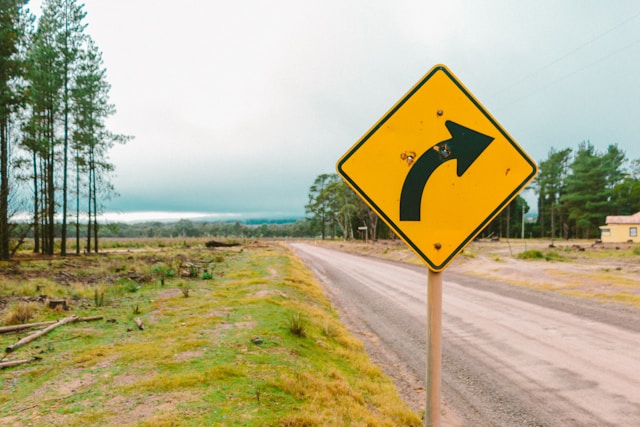
Key Takeaways:
- Road signs play a crucial role in maintaining traffic safety.
- Different types of road signs and their purposes.
- How road signs influence driver behavior and reduce accidents.
- Clear and visible road signs are important for effective communication.
- Global standards and innovations in road sign design.
Table of Contents:
- Importance of Road Signs
- Types of Road Signs
- Design and Visibility
- Impact on Driver Behavior
- Innovation and Technology
- Conclusion
Importance of Road Signs
Road signs serve as silent sentinels on our streets and highways, guiding drivers through various traffic situations to ensure their safety. These signs are not merely markers but vital communication tools conveying crucial information. Without these signs, drivers would be left to navigate the roads without guidance, increasing the likelihood of accidents and unsafe driving behaviors.
According to a recent NBC News report on road signs and safety, the presence of clear and well-maintained road signs significantly reduces the occurrence of traffic accidents. These signs act as the eyes and ears of the road, providing instant information that helps drivers make safe and informed decisions. For example, a well-placed stop sign at an intersection can prevent a collision, while a speed limit sign can help manage traffic flow in busy areas.
Types of Road Signs
According to suppliers for road signs Washington, different road signs serve different purposes, making it essential for drivers to understand their meanings. Here are some common types of road signs:
Warning Signs
Warning signs are designed to alert drivers to potential hazards or changes in road conditions ahead. These signs are usually yellow or orange with black symbols or text, making them highly visible. For instance, a deer crossing sign warns drivers of potential animal crossings, prompting them to slow down and proceed cautiously. Similarly, a slippery road sign indicates that the road ahead may be hazardous due to weather conditions, encouraging drivers to reduce speed.
Regulatory Signs
Regulatory signs provide instructions that drivers must follow by law. These signs are essential for maintaining order and safety on the roads. Examples include stop signs instructing drivers to come to a complete stop before proceeding and speed limit signs, which indicate the maximum allowable speed on a particular stretch of road. On the other hand, no-entry signs prevent drivers from entering restricted areas, helping control traffic flow and prevent accidents.
Guidance Signs
Guidance signs offer directional information to help drivers navigate routes and locate destinations. These signs are often green, blue, or brown and include names of towns, road numbers, and information about amenities. Exit signs on highways, for instance, inform drivers about upcoming exits and the services available at those exits, such as gas stations, restaurants, and hotels. Mile markers help drivers keep track of their progress on long journeys, providing reassurance and aiding in navigation.
Design and Visibility
The design and visibility of road signs are crucial for their effectiveness. Signs must be easily noticeable and readable from a distance, ensuring drivers have enough time to react. High-contrast colors, reflective materials, and clear fonts enhance their visibility during the day and at night. Effective road sign design also involves considering factors like the height and placement of the signs to maximize their visibility.
According to a study by Reuters on road sign visibility, well-designed signs strategically play a significant role in improving driver compliance and reducing accidents. For instance, a well-placed pedestrian crossing sign can alert drivers to the presence of pedestrians, prompting them to slow down and yield. Reflective materials on signs ensure that they are visible even in low-light conditions, such as during fog or heavy rain, further enhancing road safety.
Impact on Driver Behavior
Effective road signs influence driver behavior by providing necessary information at the right time. Warning signs, for instance, prepare drivers for upcoming hazards, prompting them to slow down or change lanes. Regulatory signs, such as stop or yield signs, ensure that drivers adhere to the road rules, which helps prevent collisions. Guidance signs help drivers make informed decisions about their routes, reducing the likelihood of confusion and unsafe maneuvers.
Research has consistently shown that the presence of clear and visible road signs leads to safe driving practices and a noticeable decline in accident rates. For example, introducing speed limit signs in accident-prone areas has reduced the number of speed-related accidents. Similarly, installing stop signs at busy intersections has led to a significant decrease in collisions, highlighting the critical role that road signs play in promoting safe driving behaviors.
Innovation and Technology
Technological advancements are revolutionizing road signage, making them smarter and more adaptive. Digital and dynamic road signs that change in real-time based on traffic conditions or weather are becoming increasingly common. These innovations are useful for managing traffic congestion and providing timely information during emergencies. For example, dynamic signs can display different messages at different times of the day, such as speed limit changes during rush hour or warnings about road closures.
The development of smart road signs that communicate with vehicles is paving the way for a future where traffic management is more efficient and drivers are better informed. These smart signs can provide real-time updates to drivers about road conditions, traffic jams, and potential hazards, helping them make safe and informed decisions. Additionally, smart signs can play a crucial role in developing autonomous vehicles, providing essential information that these vehicles need to navigate safely.
Conclusion
In conclusion, road signs are a vital component of road safety infrastructure. They provide essential information, regulate traffic, and warn about potential hazards, helping to reduce accidents and ensure the smooth flow of vehicles. The design and visibility of these signs are critical to their effectiveness. As technology continues to evolve, the future of road signage looks promising, with innovations enhancing their role in safeguarding drivers and pedestrians alike. Whether through reflective materials, high-contrast colors, or smart technology, road signs will continue to play an indispensable role in ensuring road safety for all.